Finance
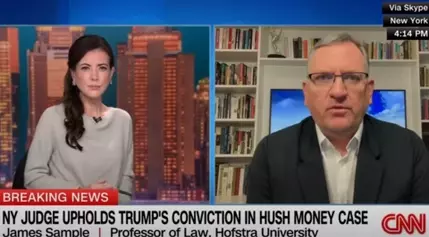
In a recent appearance on CNN’s Quest Means Business, Hofstra Law Professor James Sample offered expert commentary on the implications of President-Elect Donald Trump's conviction date in the hush money case. The discussion delved into the legal and political ramifications that could shape future presidential conduct and public perception.
Unveiling the Legal and Political Fallout from a Unique Case
Understanding the Legal Context
The legal complexities surrounding the hush money case have captured national attention. This case is not just another chapter in the annals of American jurisprudence; it stands as a pivotal moment where law and politics intersect in unprecedented ways. When Hofstra Law Professor James Sample addressed this topic on CNN’s Quest Means Business, he emphasized the significance of understanding the nuances involved.To begin with, the hush money payments made during a presidential campaign represent a violation of federal election laws. Such actions can lead to serious legal repercussions, including criminal charges. In this specific instance, the timing of the conviction adds layers of complexity. The proximity to the presidency raises questions about how justice will be served and whether the legal system can remain impartial in high-profile cases involving influential figures.Moreover, the potential for legal challenges does not end with the conviction. Appeals and motions may prolong the process, further entangling the courts in a web of legal maneuvering. The media spotlight on this case has only intensified scrutiny, making every procedural step subject to public and judicial review. As Professor Sample pointed out, the outcome of this case could set important precedents for how similar situations are handled in the future.The Political Implications Unveiled
Beyond the courtroom, the hush money case has profound political implications. It serves as a stark reminder of the ethical standards expected of those who seek the highest office in the land. Public trust in the integrity of elected officials hinges on their adherence to these principles. When allegations arise, they can erode confidence in both the individual and the institution they represent.In the current political climate, transparency and accountability are paramount. Voters demand leaders who uphold the law and act with integrity. The hush money case highlights the importance of maintaining strict ethical boundaries, especially during campaigns when candidates are under intense scrutiny. Any breach can have far-reaching consequences, not only for the individual involved but also for the broader political landscape.Furthermore, the case underscores the role of media in shaping public opinion. News outlets play a crucial role in informing the electorate about significant developments. In this instance, CNN’s coverage featuring Professor Sample provided valuable insights, helping viewers understand the intricate details and potential outcomes. Media coverage can influence public perception and, by extension, voter behavior in subsequent elections.Public Perception and Trust in Leadership
Public perception plays a critical role in determining the impact of such cases on leadership. The hush money scandal has sparked widespread debate about the character and judgment of those in power. Trust in leadership is built on a foundation of honesty and transparency. When this trust is compromised, it can have lasting effects on the relationship between the government and its citizens.The case has also prompted discussions about the need for stronger regulations and oversight in campaign finance. Ensuring that all candidates adhere to the same rules is essential for maintaining a fair and transparent electoral process. Public outcry over perceived injustices can drive legislative changes aimed at preventing similar incidents in the future.In addition, the case has highlighted the importance of independent investigations and impartial adjudication. For the public to have faith in the legal system, they must believe that justice is being served without bias or undue influence. The involvement of experts like Professor Sample in media discussions helps bridge the gap between complex legal issues and public understanding, fostering greater trust in the institutions that govern us.Shaping Future Campaigns and Political Conduct
Looking ahead, the hush money case will likely influence how future campaigns are conducted. Candidates and their teams will be more cautious about financial transactions and ensure compliance with all applicable laws. The stakes are too high to risk compromising one’s candidacy or reputation over avoidable mistakes.Campaign strategies may evolve to prioritize transparency and ethical conduct. Voters are increasingly discerning and less tolerant of impropriety. As a result, candidates must demonstrate a commitment to upholding the highest standards of integrity. This shift in approach can lead to more robust and accountable political processes, ultimately benefiting democracy as a whole.In conclusion, the hush money case serves as a cautionary tale about the importance of ethics in politics. It underscores the need for vigilance in adhering to legal and ethical guidelines, ensuring that the pursuit of public office remains grounded in principles of honesty and integrity. The insights provided by Professor Sample offer valuable perspectives on the broader implications of this case, guiding us toward a more informed and engaged citizenry.