First Contest and Police Encounter
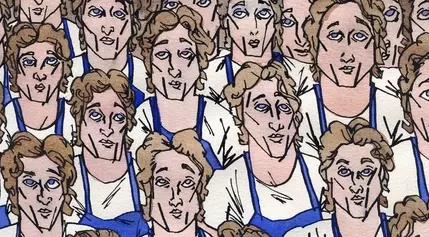
Last month, in Manhattan, a flock of Timothée Chalamet doubles gathered for the first contest. The New York Police Department showed up, deeming it an “unscheduled demonstration” and making four arrests. Surprisingly, it was the police presence that gave the event a hint of protest-like atmosphere, as if the crowd were fighting for the right to be meaningless and absurd.This incident highlighted the unusual nature of these look-alike competitions. They were not about serious matters but rather about entertainment and the joy of seeing similar faces.
The fact that the police were involved added an unexpected element to the event, making it stand out from the ordinary.
President-Elect Trump's Second Term and Doppelgängers
As President-elect Trump prepared for his second term, doppelgängers were crowned in various cities. In Chicago, a Jeremy Allen White double was crowned; in Dublin, a Paul Mescal double; in San Francisco, a Dev Patel double; and in London, a Harry Styles double. It was as if each city were electing its own boyfriend, providing a populist diversion with diminishing returns.These events became a form of entertainment during a time of political transition. They offered a break from the serious business of governance and allowed people to focus on something light-hearted.
The spread of doppelgänger contests across different cities showed the widespread appeal and popularity of this unique form of entertainment.
Modesty and Rewards of the Events
These look-alike competitions were comforting in their modesty. They were typically publicized with posters on lampposts and staged in public parks, accompanied by meager prizes. The Mescal double won 20 euro “or three pints,” while the White winner received and a pack of Marlboro Reds.Despite the small rewards, the contestants were often impressive. They seized a long-awaited opportunity to showcase their useless talent.
The modesty of the events added to their charm, making them accessible and enjoyable for everyone.
Search for Male and Female Celebrities
Interestingly, the searches centered on male celebrities for the most part (though not all contestants were men). A Zendaya look-alike contest in Oakland, Calif., this week was a rare exception. The public ranking of women risks activating an ugly history and making the apolitical political again.Mimicking Hollywood femininity requires more effort, which intensifies the proceedings. Contestants need to focus on makeup application, hairstyling, and boob tape. On the other hand, the masculine look-alike simply has to exist and wait to be discovered.
This difference in the nature of male and female look-alike contests shows the complexity and diversity of these events.