Finance
Navigating the Labyrinth of Campaign Finance: A Call for Reform
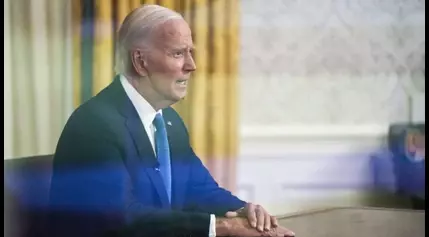
President Joe Biden's decision to exit the 2024 race has shed light on the complex and often opaque world of campaign finance law. This tangle of regulations, which often defy comprehension, highlights the pressing need for a judicial firewall to protect political speech and ensure the separation of campaign and state.Untangling the Web of Campaign Finance Regulations
The Unprecedented Transfer of Campaign Funds
After Biden's withdrawal, his presidential campaign committee and its million war chest were essentially handed over to Vice President Kamala Harris. This unprecedented move prompted a complaint from Donald Trump's campaign, challenging the legality of the transfer. While the situation is unique, it underscores the broader truth that campaign finance laws are often unclear, leading to legal uncertainties and potential conflicts.The Flawed Premise of Campaign Finance RegulationThe current campaign finance system is built on the flawed premise that political speech can be significantly regulated without violating the First Amendment. This has led to a proliferation of laws, some of which are being challenged in court, that are intended to protect incumbents and stifle political innovation. For example, the Georgia election code allows certain leadership committees to raise and spend unlimited money, while rank-and-file lawmakers and other candidates are subject to more restrictive rules.The Burden of Compliance and Disclosure
The complexities of campaign finance laws also create significant burdens for grassroots political activists and small-scale donors. If you and a friend spend as little as 0 on a few social media ads urging others to vote for a federal candidate, you must file a complex report with the government. This level of regulation and disclosure requirements can deter political participation and undermine the very democratic processes they are meant to protect.The Need for a "Separation of Campaign and State"
The legal uncertainties raised by Biden's withdrawal demonstrate the need for a clear separation between campaigns and state power. Just as the separation of church and state preserves religious freedom, a similar "separation of campaign and state" would protect the political speech intrinsic to campaigns from government interference. This concept, first proposed by free speech scholar and former FEC chairman Brad Smith, could help to untangle the web of campaign finance regulations and ensure that political discourse remains robust and responsive to the needs of the electorate.The Path Forward: Reforming Campaign Finance
The campaign finance uncertainties surrounding Biden's exit should serve as a wake-up call for all who value democratic discourse and a competitive political system. Rather than imposing more restrictions and increasing the complexity of the system, the path forward lies in reforming campaign finance laws to detangle the mess and protect the fundamental right to political speech. By embracing a "separation of campaign and state" and prioritizing the principles of free speech and political responsiveness, we can work towards a campaign finance system that truly serves the interests of a vibrant and inclusive democracy.