Finance
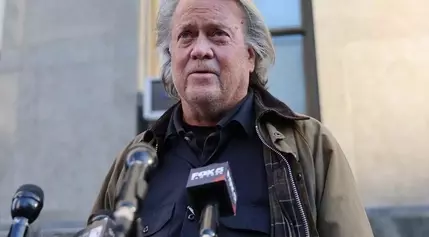
Amidst escalating tensions, Elon Musk finds himself at the center of a political storm. Prominent right-wing commentator Steve Bannon has issued stark warnings to Musk regarding his advocacy for skilled foreign workers through the H-1B visa program. Despite their ideological clash, Bannon acknowledges Musk’s potential as an ally in advancing populist movements both in the U.S. and Europe.
Unleashing the Power of Strategic Alliances in Modern Politics
The Visa Controversy Unveiled
The debate over the H-1B visa program has become a flashpoint between tech mogul Elon Musk and influential conservative figure Steve Bannon. In recent weeks, Musk has championed policies aimed at attracting highly skilled international talent to bolster the U.S. workforce. This stance has not sat well with Bannon and other supporters of the MAGA movement, who view such initiatives as undermining domestic job opportunities. Bannon’s vehement opposition was on full display when he warned Musk that continued support for these visas could lead to severe backlash from his base.Despite this friction, there is an underlying recognition of mutual benefit. Bannon admits that Musk’s significant financial backing for Trump’s electoral campaign positions him as a powerful player within the populist sphere. The strategic calculus here is clear: even if they disagree on immigration policy, Musk’s influence can still serve the broader goals of the MAGA agenda. This pragmatic approach underscores the complex interplay between personal beliefs and political expediency.Musk's European Gambit
Expanding beyond American borders, Musk has also made waves in European politics. His vocal support for the German far-right party, Alternative for Germany (AfD), has sparked controversy and drawn criticism from various quarters. By aligning himself with populist factions across the continent, Musk aims to reshape the political landscape. This move has led to high-profile confrontations, including a public feud with British Prime Minister Keir Starmer. Musk’s actions suggest a calculated effort to leverage his vast resources and global platform to promote specific political ideologies.The implications of Musk’s involvement in European politics are profound. With his substantial financial clout, Musk could potentially tip the scales in favor of populist movements, challenging established centrist governments. This scenario raises important questions about the role of private individuals in shaping national and international policies. Critics argue that such interventions could destabilize democratic processes, while supporters see it as a necessary disruption to entrenched power structures.The Broader Impact on Global Politics
Musk’s forays into politics highlight the growing influence of billionaires on governance and policy-making. His ability to mobilize substantial financial resources has allowed him to play an outsized role in elections and policy debates. This trend is not unique to Musk; other wealthy individuals have similarly leveraged their fortunes to sway public opinion and legislative outcomes. However, Musk stands out due to his direct engagement and willingness to wade into contentious issues.The ripple effects of Musk’s political activism extend far beyond immediate policy changes. They reflect broader shifts in how power is wielded in the modern world. As traditional political institutions face increasing scrutiny, non-state actors like Musk are stepping into the void. This dynamic challenges conventional notions of democracy and representation, prompting discussions about accountability and the limits of individual influence. Ultimately, Musk’s actions serve as a microcosm of larger forces reshaping the global political arena.