Finance
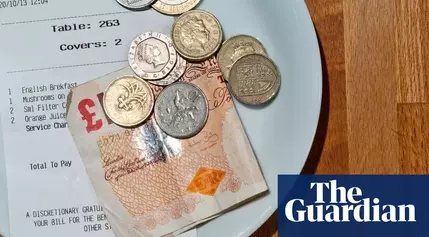
In a surprising twist, the shift towards a cashless society has encountered unexpected resistance. Despite predictions that the pandemic would accelerate the demise of physical money, British consumers are rediscovering the value of notes and coins. This trend highlights the enduring appeal of tangible currency in an era of digital transactions.
Discover Why Cash Is Making a Powerful Comeback Amidst Financial Uncertainty
Understanding the Shift Back to Cash
The resurgence of cash usage challenges the narrative that Britain was on the cusp of becoming a fully card-based economy. According to data from Nationwide, the country's largest building society, cash withdrawals have increased for three consecutive years. Last year alone, there were nearly 33 million ATM transactions, marking a significant 4.6% rise compared to the previous year and a near 29% jump from 2021.This uptick in cash activity is particularly pronounced in areas like Chiswick, London, and Shotton, Wales. The reasons behind this phenomenon are multifaceted. For many, cash remains an indispensable tool for managing finances during challenging economic times. The tactile nature of physical money offers a sense of control and visibility that digital transactions often lack. As the cost of living continues to soar, more individuals are turning to cash as a practical means of budgeting and financial planning.The Impact of Economic Pressures
The cost of living crisis, which intensified in 2022, has played a pivotal role in reshaping consumer behavior. With household expenses skyrocketing, people are increasingly adopting budgeting techniques such as "cash stuffing" or the envelope system. This method involves allocating specific amounts of cash into envelopes designated for various expenses—groceries, bills, and savings. By physically handling money, individuals can better track their spending and avoid overspending.Moreover, the closure of bank branches and ATMs has made accessing cash more difficult for many communities. This has inadvertently led to a higher reliance on ATMs provided by institutions like Nationwide. In fact, withdrawals by non-Nationwide customers surged by 16%, underscoring the growing importance of these machines in facilitating access to cash. The busiest period for cash withdrawals occurred during the week before Christmas, when £97.9 million was dispensed—the highest weekly total since pre-pandemic levels.The Evolution of Consumer Habits
Prior to 2022, cash usage had been on a steady decline, reaching its lowest point in 2020 when payments using notes and coins plummeted by 35%. The pandemic accelerated this trend as businesses transitioned to card-only operations. However, the latest figures reveal a reversal of this trajectory. Since the pandemic, cash withdrawals at Nationwide have steadily climbed for three consecutive years.The average withdrawal amount last year stood at £112, indicating that people are not only returning to cash but doing so in meaningful quantities. This trend reflects a broader shift in consumer attitudes towards financial management. While digital payment methods offer convenience, they sometimes obscure the true impact of spending. Cash, on the other hand, provides a tangible reminder of financial realities, making it easier for individuals to stay within their means.Exploring the Broader Implications
The revival of cash usage raises important questions about the future of finance in the UK. While the push towards a cashless society continues, the resilience of physical money suggests that it will remain a vital component of the financial landscape for the foreseeable future. This resurgence also highlights the need for balanced policies that accommodate both digital and traditional forms of payment.For businesses, understanding this shift is crucial. Many establishments that previously moved to card-only models may need to reconsider their approach to cater to customers who prefer cash. Additionally, policymakers must address the challenges posed by reduced access to banking services in certain areas. By fostering a mixed-payment environment, the UK can ensure that all consumers have the tools they need to manage their finances effectively.