Lifestyle
Unlocking Academic Success: The Vital Role of Healthy School Meals
As the new school year kicks into high gear, students and families across the nation are navigating the familiar routines of back-to-school season. From meeting teachers to adjusting to new classrooms, this time of year is marked by a flurry of activity. However, amidst the hustle and bustle, there is a critical component that often goes overlooked: the importance of providing healthy meals to fuel student achievement.Empowering Students, Strengthening Communities
Bridging the Nutrition Gap
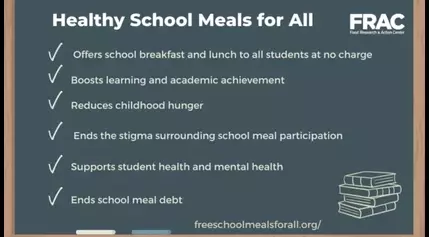
The start of a new academic year is a time of excitement and anticipation, but for many students, it also signifies the need to address a pressing concern: access to nutritious food. In too many states, the eligibility criteria for free school meals are set so low that countless families in need are unable to afford these essential services. This disparity has far-reaching consequences, as food insecurity can hinder a child's ability to focus, learn, and thrive in the classroom.Recognizing the vital role of healthy meals in academic success, a growing number of states have taken proactive steps to address this issue. Eight states – California, Colorado, Maine, Massachusetts, Michigan, Minnesota, New Mexico, and Vermont – have implemented Healthy School Meals for All policies, ensuring that all students can access breakfast and lunch at no cost. These forward-thinking initiatives not only reduce childhood food insecurity but also alleviate the financial burden on families, allowing them to allocate resources towards other essential needs.Fueling Academic Achievement
Healthy food is not just a nice-to-have; it is a fundamental component of a student's educational journey. Just as textbooks and technology are essential resources, nutritious meals should be considered a vital part of the school day. When students have access to balanced, nourishing meals, they are better equipped to focus, retain information, and engage actively in their learning.The impact of these policies extends beyond the individual student, as it also strengthens the broader community. By ensuring that all children have access to the fuel they need to succeed, Healthy School Meals for All initiatives help to level the playing field and create more equitable educational opportunities. This, in turn, can lead to improved academic outcomes, higher graduation rates, and a more vibrant, thriving community.Addressing the Nationwide Trend
The latest data from the U.S. Department of Agriculture's Economic Research Service paints a concerning picture. In 2022, 47.4 million people lived in households experiencing food insecurity, a staggering increase of 3.2 million compared to the previous year and 13.5 million more than in 2021. This alarming trend underscores the urgent need for comprehensive solutions that address the root causes of food insecurity and ensure that no child is left behind.The Universal School Meals Program Act, currently under consideration, offers a promising path forward. This legislation would create a nationwide Healthy School Meals for All initiative, ensuring that all students have access to the nutritious meals they need to thrive. By advocating for the passage of this bill, concerned citizens and policymakers can play a vital role in transforming the landscape of school nutrition and securing a brighter future for generations to come.A Call to Action
As the new school year unfolds, it is time to recognize the critical importance of healthy school meals and the transformative impact they can have on student success. By supporting Healthy School Meals for All policies and urging lawmakers to cosponsor the Universal School Meals Program Act, we can work together to create a more equitable and nourishing educational environment for all.The time for action is now. Let us ensure that every child, regardless of their family's financial circumstances, has access to the fuel they need to reach their full potential. By prioritizing the well-being of our students, we can unlock a future where academic achievement is not hindered by hunger, and where all children have the opportunity to thrive.